When it comes to our equine friends, tendon and ligament injuries can be some of the most challenging setbacks they face. These injuries often happen during intense activities, like racing or jumping, when a horse’s body is pushed to the limit. Understanding the nature of these injuries is crucial for effective horse tendon ligament injury recovery.
Tendons connect muscles to bones, allowing movement, while ligaments connect bones to other bones, providing stability to joints. When a horse suffers a tendon or ligament injury, it can result in pain, swelling, and a noticeable decrease in mobility. Symptoms often include a warm area around the injury, lameness, and sometimes even visible swelling. Recognizing these signs early can make a big difference in how quickly your horse heals.
For successful horse tendon ligament injury recovery, it's important to work alongside a veterinarian. They can offer a proper diagnosis and a tailored recovery plan. Alongside rest and possibly bandaging to limit movement, treatments may include physical therapy and gradual rehabilitation exercises. Each recovery journey is unique, and patience is key—rushing the process can lead to further injuries down the line.
Lastly, prevention is always better than cure. Keeping your horse fit, properly warming them up before activities, and ensuring they have a well-balanced diet can help minimize the risk of future tendon and ligament injuries. By being proactive about their health, you’ll not only aid in recovery but also help protect them in the long run.
- Signs Your Horse Needs Attention
Just like us, horses can’t always tell us when something’s up. If you suspect your horse might be dealing with a tendon or ligament injury, it’s important to pay attention to their behavior and habits. Here are some signs that your horse might be in need of a little TLC.
- Limping or Favoring a Limb: If you notice your horse is limping or seems to be favoring one leg while walking, this could be a red flag. It’s a common sign of discomfort, especially in cases of horse tendon ligament injury recovery.
- Swelling: Swelling in the legs or joints can indicate an injury. If you notice any puffiness, it’s wise to keep an eye on it and consult with your vet if it persists.
- Change in Attitude: Horses are creatures of habit. A horse that suddenly becomes more withdrawn or irritable can be trying to tell you something isn’t right.
- Reluctance to Move: If your horse shows signs of hesitance to trot or canter, it could indicate pain or discomfort that requires attention.
- Heat in the Legs: If you’re feeling heat emanating from a limb, this is often a sign of inflammation. A warm leg might need some examination to rule out serious issues.
Being observant about these signs can make a huge difference in your horse’s health. If you suspect an injury, early detection can help ensure your horse tendon ligament injury recovery process is as smooth as possible. Don’t hesitate to reach out to your veterinarian if you have concerns!
Here is a handy log book perfect for tracking your horse's health:

Horse Health Record Book & Wellness Organizer
Keep your horse’s health and wellness organized with this essential record book for easy tracking and care
Product information
$9.99
Product Review Score
4.86 out of 5 stars
156 reviewsProduct links
- Essential Recovery Techniques for Horses
When it comes to horse tendon ligament injury recovery, understanding essential recovery techniques can make a world of difference. Your horse’s health is a top priority, and using the right methods can help speed up healing and get them back to their lively selves.
First up, rest is crucial. Giving your horse ample time to heal is the foundation of recovery. Depending on the severity of the injury, this could mean stall rest or a controlled turnout. Make sure to follow your vet's recommendations on how long your horse should rest and when to introduce light activity.
Next, consider incorporating cold therapy. Applying ice packs or cold hosing for 15-20 minutes can help reduce swelling and pain right after the injury occurs. This technique is beneficial in the early stages of the recovery process.
Don’t overlook the power of rehabilitation exercises. Once your vet gives the green light, gentle stretching and specific exercises can greatly support recovery. These activities promote strength and flexibility, which are essential for healing tendons and ligaments.
Lastly, nutrition plays a vital role in horse tendon ligament injury recovery. Ensure your horse is getting a balanced diet rich in vitamins and minerals. Supplements like omega-3 fatty acids can help reduce inflammation, supporting the recovery process even more. Keeping your horse well-fed will set the stage for a swift return to action!
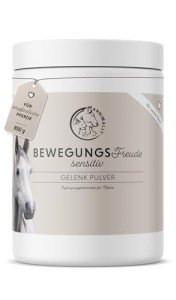
Joint Support Powder for Horses – 850g Blend
A natural way to keep your horse moving comfortably and happily
Product information
$40.93
Product Review Score
4.32 out of 5 stars
66 reviewsProduct links
- Tips for Keeping Your Horse Comfortable
Keeping your horse comfortable during their recovery from a tendon or ligament injury is super important. It not only helps them heal faster but also makes the whole process less stressful for both of you. Here are some easy tips to help you along the way:
- Soft Bedding: Make sure their resting area has soft bedding. This helps reduce pressure on their legs and provides a cozy spot for them to relax.
- Frequent Checks: Keep an eye on your horse’s legs. Check for swelling, heat, or any signs of discomfort. A quick check-in can help catch issues before they become bigger problems.
- Limit Movement: While a little exercise can be beneficial, too much can hinder your horse tendon ligament injury recovery. Use a small paddock or a safe area for some light movement to prevent stiffness.
- Nutrition Matters: Provide a balanced diet rich in vitamins and minerals. This supports their overall health and helps their body heal stronger.
- Hydration is Key: Make sure your horse has constant access to fresh water. Staying hydrated aids in their recovery and helps with overall wellness.
By following these simple tips, you can make a big difference in your horse’s comfort and recovery journey. Your support will help them feel better and get back to their happy selves sooner!